








Export restrictions on rare earth metals for magnetic materials from China
Magnets New Zealand | Updated December 2025
China has introduced a series of export control measures affecting rare earth metals and permanent magnets that are essential for modern technology and industry. These measures are part of Beijing’s broader strategy to manage critical mineral supply chains and respond to international trade tensions.
What Has Changed in 2025
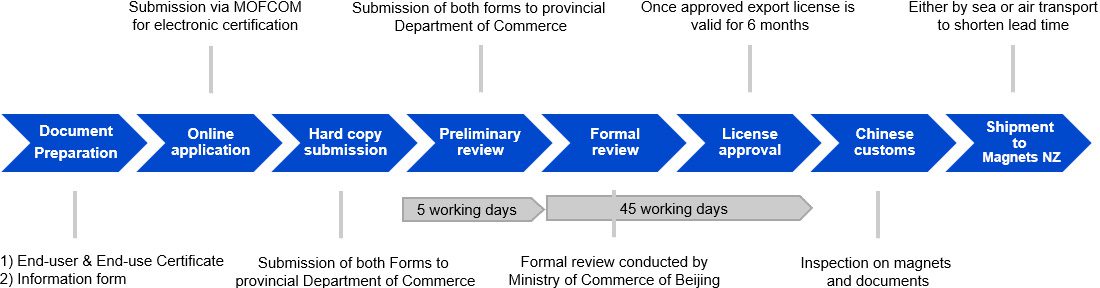
In April 2025, China added several rare earth elements and magnet products to its export control list. These controls require companies exporting these materials to obtain a dual-use export license, regardless of whether the end product is for civilian or defense use. This resulted in lower export volumes and significant disruptions in global magnet supply chains earlier in the year.
To address market disruptions and facilitate continued trade, Chinese authorities have begun issuing general streamlined licences that allow year-long approvals for eligible customers. These licences are designed to reduce paperwork and delays for certain magnet exports, especially for civilian industrial use. Several large Chinese manufacturers have already secured these licences.
At the same time, ongoing administrative procedures and licensing requirements continue to act as bottlenecks for many exporters. Customs approvals and documentation checks have slowed shipments and increased overall lead times for products containing rare earth magnet materials.
Elements and Products Affected
The export controls cover a growing list of rare earth elements and related products, especially those used in high-performance magnets. While the exact categories have expanded over time, they include components critical to the manufacture of powerful permanent magnets used in electric vehicles, wind turbines, robotics, and many consumer electronics.
Restricted rare earth magnets and magnet materials
- Permanent magnet materials and magnet powders, including:
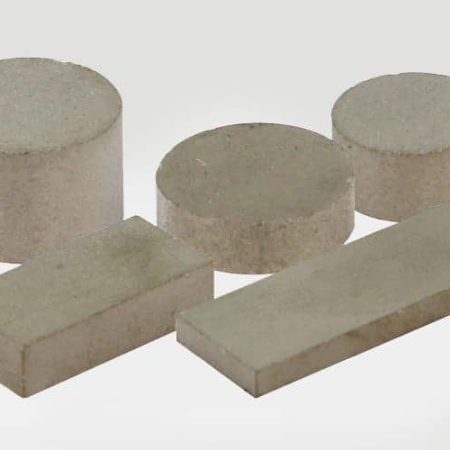
- Samarium-cobalt (SmCo) permanent magnets
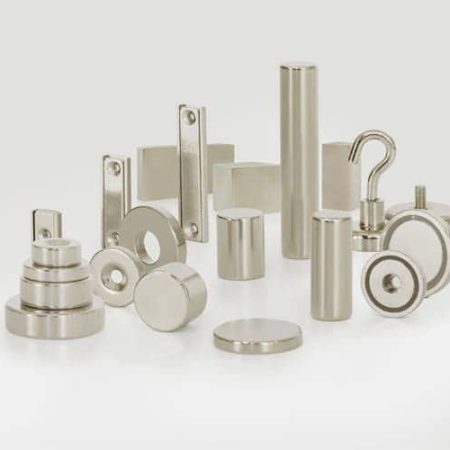
- Neodymium-iron-boron (NdFeB) magnets containing terbium (Tb)
- NdFeB magnets containing dysprosium (Dy)
Other magnets incorporating controlled rare earth elements listed below
- Permanent magnets in finished parts, components, or assemblies containing the above materials
STCN - Controlled rare earth metals and alloys used in magnets
- Rare earth metals such as dysprosium (Dy), terbium (Tb), samarium (Sm), gadolinium (Gd), lutetium (Lu), scandium (Sc), and yttrium (Y)
- Alloys based on these metals, including samarium-cobalt and rare-earth-enhanced NdFeB alloy compositions
Supply Chain Impact
The tightened controls have prompted concern among manufacturers worldwide that depend on rare earth magnets for key products. In several sectors, reduced export flows have strained inventories and led companies to seek alternative sources outside China. Global automotive and aerospace suppliers have reported challenges securing steady supplies.
Efforts to diversify supply chains have accelerated. New rare earth processing and magnet manufacturing facilities are under development in the United States, Australia and other regions as governments and industries aim to reduce reliance on a single dominant source.
Trade Policy and International Response
China’s export control policy is closely linked to broader trade negotiations and geopolitical dynamics, particularly with the United States. After high tariffs were imposed by the U.S., export restrictions on rare earths were introduced as part of Beijing’s response. Subsequently, top level diplomatic meetings in late 2025 resulted in agreements to suspend some of the stricter planned controls for a defined period, helping to calm market uncertainty.
Meanwhile, administrative hurdles, licensing demands and periodic adjustments to the export regime mean that magnet producers and buyers must stay informed and agile in planning procurement. Some industries continue adapting inventory strategies and pursuing longer-term contracts to mitigate risks.
What This Means for Magnets New Zealand Customers
Magnets New Zealand is monitoring these developments and working closely with suppliers and logistics partners to manage potential impacts on lead times and availability. While some export processes in China have become more flexible with general licences, customers should expect:
- Extended lead times for magnet products containing controlled rare earths
- Potential price increases due to material scarcity and transport cost pressures
- Ongoing regulatory complexity in international shipments
Magnets New Zealand continues to advise proactive planning and early demand forecasts to ensure continuity of supply.